
Raise your hand if you’ve ever broken a doggy biscuit into half, or even quarters before giving it to your pooch!
 I know I have!
There can be several reasons why we would think twice before opening up the motherload of treats, ranging from concerns about calories, ruining their appetite for their main meal, or even just some unconscious bias on ‘why should I have to bribe or pay my dog to do things I ask?’ But the fact of the matter is, your dog’s love language is likely food. And by holding back on using it in your aggressive or reactive dog training sessions, you could be holding back the success of the training itself!
Why Food Is the Most Powerful Motivator in Positive Reinforcement Dog Training
Tapping into Survival for Dog Training
Let’s start with the basics: survival. Food is the ultimate motivator because it’s essential for life. For both dogs and humans, the drive to eat is deeply ingrained. From a dog’s perspective, food isn’t just a treat; it’s a survival resource.
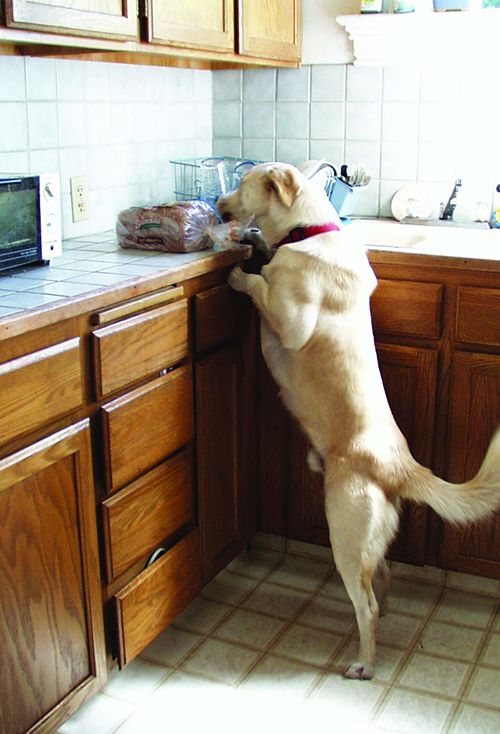 Your dog’s ancestors were built to work for their food as village dogs who scavenged for scraps. This instinct is still alive and well in our domesticated dogs, even as they lounge on the couch in your HDB flat in Singapore (think of how quick Buster is when you leave out some scraps on the kitchen counter!).
When you use food in positive reinforcement dog training, you’re tapping into this primal instinct. Rather than thinking of it as a bribe, think of it as using a powerful, natural motivator to communicate effectively with your dog. Just like how you might work harder knowing there’s a promotion at the end of the year, your dog will be more engaged in training sessions when they know something good is coming.

A note for guardians whose dogs seem less motivated by food: food is necessary for survival, and if a dog is actively avoiding it or reluctant to take it, there might be something more serious going on.
- Get a vet check — there could be an underlying medical reason causing them to refuse or be picky about food.
- Test out different foods and treats to find what your dog actually wants. Dogs have preferences, and you generally can’t go wrong with anything high protein or stinky (think meat or cheese).
- Check your environment. If you’re trying to get your dog’s attention with a dry biscuit in a stimulating park, you’re going to struggle. High-distraction environments need higher-value food.
- Work with a certified dog behaviorist to build the behavior of eating while training. Eating in a training context is a behavior that can be taught.
Tapping into Social Connection for Dog Training
Food isn’t just about survival; it’s also a social connector. Think about how we humans bond over meals, whether it’s having kopi with friends at a local cafe or gathering with family for a festive dinner.
For dogs, food plays a similar role in building trust and strengthening relationships. When you give your dog a treat, you’re not just feeding them; you’re reinforcing your bond with them.
Eating food triggers the release of certain neurotransmitters in a dog’s brain that can influence their mood and behavior. One of the most important neurotransmitters involved is dopamine, which plays a key role in the brain’s reward system.
 When a dog eats a tasty treat or food, it causes a surge of dopamine release. Dopamine creates positive feelings of pleasure and satisfaction, helping the dog associate the food with the person providing it or the environment where it was consumed.
This is why food is such a useful tool when working on changing how dogs feel about other dogs or people, which is at the heart of reducing reactive and aggressive behavior. The positive association reinforces the behavior you’re teaching and strengthens the bond between you and your dog at the same time.
If you’re working on reactivity or aggression and you’re not sure how to use food effectively in that context, you can read more about how I work with leash reactive dogs and what that process looks like here.
How to Make Your Dog Training More Effective with Food
- Consistency and Predictability
Imagine you’re learning a new skill – say, trying to master a complex spreadsheet for work.  Every time you get a formula right, your boss gives you a thumbs up, but nothing more. Now, imagine instead, every time you nail that formula, your boss hands you a $50 voucher to your favorite restaurant. Which scenario is going to keep you motivated? Exactly.
For dogs, food works in much the same way. When you consistently reward your dog with a treat every time they perform a desired behavior, you’re reinforcing that behavior strongly. The more predictable the reward, the faster your dog will learn.
- Using High-Value Treats for Better Results
 Not all treats are created equal in the eyes (or nose) of your dog. When training in environments with higher distractions, such as during a stroll along East Coast Park or amidst the hustle and bustle of Little India, using high-value treats can make all the difference. These are the treats your dog considers absolute gold – think bits of boiled chicken, cheese, or even a small piece of their favorite jerky.
The higher the value of the treat, the more willing your dog will be to perform the behavior you’re asking for, even in the face of distractions. It’s like how you’d probably work harder for a promotion if it came with a significant bonus rather than just a pat on the back. By using high-value treats strategically, you can make sure your dog is always motivated to learn, no matter where you are in Singapore.
- Cementing Learning Through Positive Associations
One of the most powerful aspects of using food in training is how it helps cement learning through positive associations. When your dog consistently receives a treat after performing a behavior, they start to associate that action with a positive outcome. Over time, this strengthens the behavior, making it more likely that your dog will repeat it in the future.
 This is especially important in a place like Singapore, where your dog might encounter a variety of stimuli, from crowded public transport to loud construction noises. By associating positive outcomes (treats) with these potentially stressful situations, you can help your dog remain calm and well-behaved, knowing that good things happen when they keep their cool.