How to Read Dog Body Language

(Before the Growl, Lunge, or Bite)

A 4-page guide to spotting stress, discomfort, and over-arousal before things escalate.

Dogs rarely “snap out of nowhere.”

Most show subtle body language changes long before a growl or lunge.

This guide helps you catch those easily missed signals early and respond more calmly.

Many dogs don’t go straight from “calm” to “reacting.” in a single moment. They communicate discomfort, stress, or overload quietly at first

Early signals can look like:

⚠️Body stiffening or freezing for a moment

⚠️Turning the head or body away, backing up, or avoiding contact

⚠️Subtle changes in posture, movement, or attention

Learning to spot these early signals gives you more time to respond calmly and prevent things from escalating.

Why understanding body language matters

What's Inside the Guide?​

This is a short, practical handout designed to be easy to reference—not something you need to study.​

Inside, you’ll find:

😖Stress Signals

Subtle signs dogs show when they’re trying to cope with something that feels hard.

😟Discomfort Signals

Body language that suggests something doesn’t feel okay physically or emotionally.

😫Over-arousal signals

What “too much” looks like before it turns into barking, lunging, or shutdown.

Each section includes clear descriptions to help you recognize patterns in real life.

This guide is for you if...

You’ve ever thought:

“That happened so fast—I didn’t see it coming.”

“I can’t tell if my dog is stressed, uncomfortable, or just overexcited.”

“The barking, lunging, or growling feels sudden”

“How do I stop before things escalate.”

Start figuring out what your dog is saying!

How to spot  stress, discomfort and over-arousal.

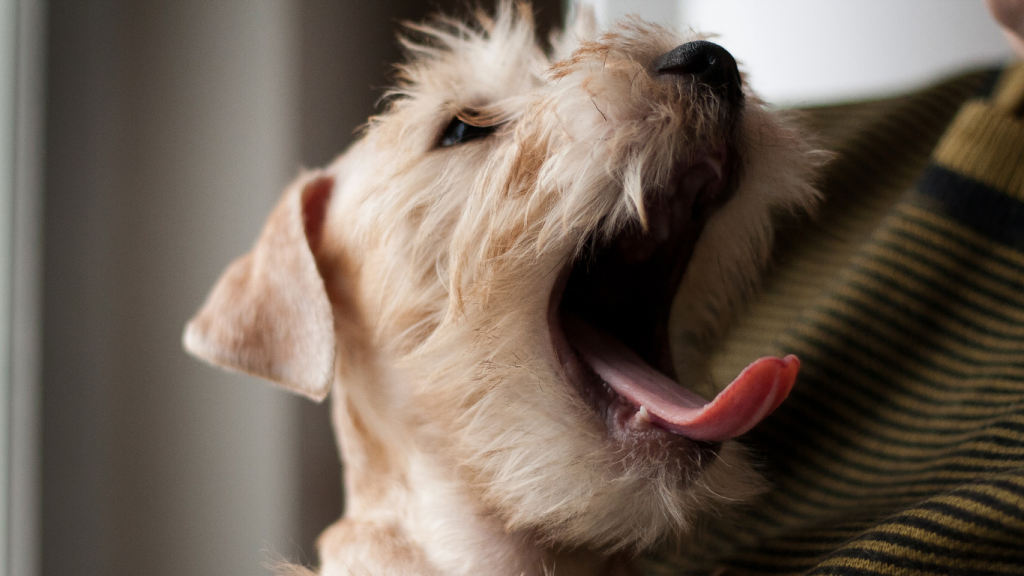
Grab this free 4 -page guide that tells you exactly what your dog is saying when they yawn, lick their lips, or give you side-eye👀

Practical

Short

Free